
A bathroom can look "updated" and still feel wrong, glare from bright white tile, a vanity that crowds the door swing, finishes that spot the first week, and a fan that never quite clears the mirror.
If you're remodeling a bathroom in Columbus, Ohio and you want it to feel calmer and more natural, ohio river-inspired design is a strong direction. Done well, it reads as clean, modern, and timeless. Done poorly, it turns into theme decor or surfaces that don't perform in real Midwestern humidity.
This guide is built around the decisions that actually determine the outcome, layout, moisture strategy, materials, and lighting. We'll show you how to translate river cues (stone, sand, driftwood tones, soft movement) into a bathroom that's easy to live with and built to code.
Ohio River Style, Without the "Theme Bathroom" Mistake
Ohio river-inspired doesn't mean anchors, oars, or murals. The best versions feel like a quiet reference, textures that look natural, a palette pulled from water and stone, and details that age well.
We approach it as a set of design constraints that also improve performance. Bathrooms already need slip resistance, cleanable surfaces, and moisture-safe construction. River-inspired choices fit those requirements when you pick the right materials.
Here's what typically defines the look in a way that still reads upscale in neighborhoods like Upper Arlington, Grandview Heights, Bexley, and Dublin.
The Core Elements That Translate Well to a Bathroom
- Stone and sand tones: warm whites, beige-gray (greige), soft taupe, and muted charcoal instead of stark black.
- Water cues: glass, subtle sheen, and gentle pattern movement, not loud contrast.
- Weathered wood look: wood tones that lean natural, not orange, in vanities, shelving, or wood-look porcelain.
- Layered texture: matte tile, honed stone looks, brushed metals, and woven or linen-like accessories.
- Quiet lines: fewer cuts, fewer competing patterns, and larger surfaces that feel continuous.
A useful rule we give clients is: let the materials do the storytelling. If the tile, vanity, and lighting are right, you won't need decorative "river" items to make the space feel connected.
Pick Your "River Mood" First (Decision Framework)
You'll make faster decisions if you choose one of these moods and stick to it.
- Shoreline Calm (light, warm, minimal contrast)
- River Rock Modern (medium contrast, grounded, clean lines)
- Deep Channel Spa (darker, dramatic, hotel-like)
Once you pick a mood, your next job is controlling visual noise. River-inspired bathrooms feel restful because they have fewer competing finishes.
Layout First: the Part That Makes It Feel Expensive
Most bathroom disappointments aren't about tile. They're about flow.

We see the same layout issues across Columbus and Central Ohio, older homes with tight hall baths, split-levels with awkward door locations, and primary suites where the bathroom was added later and never quite made sense.
Before you lock in finishes, get these layout decisions right.
The "No-Drama" Layout Priorities
- Clear door swing and entry sightline
- A vanity that fits the room, not the catalog
- A shower that feels open
- Toilet placement and privacy
- Storage that doesn't interrupt the look
Wet Room vs. Standard Shower (Trade-Offs That Matter)
Wet rooms are popular in design photos, but they aren't automatically the best choice.
- Choose a wet-room approach (open shower area, continuous floor) if you want barrier-free access, you're investing in high-end waterproofing, and you have enough square footage to keep splash manageable.
- Choose a standard shower with a curb or low threshold if you want simpler maintenance, stronger water containment, and a more predictable budget.
In Columbus homes, we also consider subfloor structure, existing plumbing locations, and how much we can realistically modify without turning a bathroom remodel into a major reframing project.
Materials That Look Like the River and Hold up to Bathrooms
Bathrooms don't forgive the wrong material. You're dealing with frequent wetting, soap, hair products, and temperature swings. The materials that mimic river textures are often a better performer than "fancy" materials, as long as you choose intentionally.
Tile: Get the Texture, Control the Maintenance
For ohio river-inspired bathrooms, porcelain tile is usually the workhorse. It can convincingly mimic stone and weathered wood, and it's durable.
Key decisions we walk through on site:
- Finish: matte or satin reads more natural than high gloss and hides water spotting better.
- Size: larger-format tile reduces grout lines, which reduces cleaning. It also gives that continuous "river stone" feel.
- Grout color: match it close to the tile to avoid a grid look. High contrast grout is visually loud.
- Slip resistance: for floors, choose a tile intended for wet areas. A tile showroom can provide the manufacturer specs, but your lived experience matters too. If you're concerned, we'll guide you toward safer textures.
In showers, we like to limit small mosaic tile to the shower floor and keep walls simpler. That is a practical way to get slip resistance where you need it without creating a high-maintenance wall surface.
Countertops: the "Water Spot Reality" Test
A river palette often points people toward natural stone, but the right answer depends on how you use the bathroom.
- Quartz is often the easiest path to a clean, stone-like look with low maintenance.
- Granite can work well and is durable, but patterns vary widely. It can pull the room away from the calm river look if it's too busy.
- Marble looks beautiful, but it etches and stains more easily in real bathrooms. If you love marble, we recommend going in with clear expectations and a plan for sealing and care.
If you want that "honed stone" feeling without the upkeep, many quartz lines are designed specifically for that softer, less glossy look.
Vanities and Wood Tones: Warmth Without the Orange
The vanity is where the driftwood cue can show up.
- Look for natural oak, walnut, or weathered tones.
- Avoid heavy red undertones if you're trying to stay in the river palette.
- Use simple door profiles and minimal hardware to keep the look quiet.
Floating vanities can be a strong modern fit, but they aren't automatically better. They reduce visible bulk and make floors easier to clean, but they also reduce storage and require solid wall framing support.
Plumbing and Hardware Finishes That Stay Cohesive
River-inspired design is usually better with softer metals.
- Brushed nickel reads clean and timeless.
- Matte black can work as a "river rock" accent, but use it consistently and sparingly.
- Brushed brass can warm up a darker palette, but it should be intentional.
Mixing finishes can look custom, but it can also look accidental. We typically recommend one dominant finish and one secondary finish at most.
Moisture, Ventilation, and Build Details (the Part You Don't See)
Columbus bathrooms deal with real humidity swings, hot showers in winter, and air-conditioned summers. A river-inspired space should feel calm, but it still has to manage moisture aggressively.
This is where good remodeling separates itself from surface-level updates.
Waterproofing: Don't Rely on Tile to Stop Water
Tile and grout are not waterproof by themselves. The waterproofing system behind the tile is what protects your framing and subfloor.
A well-built shower typically includes a designed waterproofing method, properly detailed transitions, and correct drain integration. If you're comparing estimates, ask contractors to describe their waterproofing approach in plain language.
If you want a reference point for why moisture control matters, the EPA's overview of moisture and mold is a good baseline: EPA guidance on moisture control.
Ventilation: Size It and Use It
Many bathrooms in Central Ohio have underperforming fans or fans that vent to the wrong place. A quiet, effective fan is one of the best comfort upgrades you can make.
Exhaust fans are typically required to vent outdoors, not into an attic. The International Residential Code addresses bathroom ventilation requirements and exhaust discharge basics. Ohio building departments generally follow state-adopted code based on IRC provisions, with local enforcement details. You can review the IRC section summary through ICC resources: International Residential Code (IRC) overview from ICC.
Practical tips that improve day-to-day performance:
- Put the fan on a timer switch so it actually runs long enough.
- Choose a quieter unit so you don't avoid using it.
- Plan fan placement so it captures shower steam efficiently.
Lighting: the Fastest Way to Make "Calm" Feel Premium
River palettes often use softer colors. That means lighting has to be planned, not improvised.
We like a layered approach:
- Ambient: ceiling light(s) to fill the room.
- Task: balanced vanity lighting so faces aren't shadowed.
- Accent: shower niche lighting or a soft overhead in the shower area, if appropriate.
Color temperature matters. Very cool bulbs can make warm stone and wood look gray. Very warm bulbs can make whites look yellow. We typically guide you toward a neutral range that flatters the materials you select.
A Worked Example: Turning a Standard Columbus Hall Bath Into a River-Inspired Space
A lot of homeowners want a river-inspired bathroom but don't have a huge primary suite to work with. Here's how we'd plan a common hall bath layout, the kind we see in Clintonville, Worthington, and parts of Westerville.
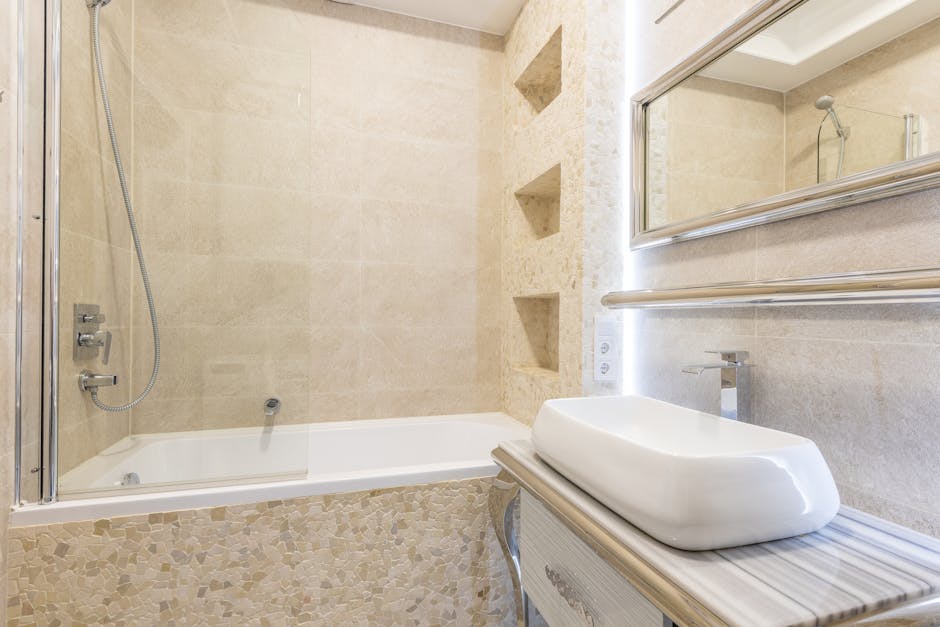
The Starting Conditions
- Tub-shower combo on one long wall.
- 30 to 36 inch vanity opposite.
- Toilet between vanity and tub.
- Builder-grade lighting and a small mirror.
- Basic fan that struggles with steam.
The goal is to make it feel calmer and more custom without changing the home's entire plumbing layout.
Step 1: Choose the River Mood and Lock a Simple Palette
We'd typically recommend Shoreline Calm for a hall bath because it helps the room feel larger and brighter.
Palette direction:
- Warm white walls and ceiling.
- Light stone-look porcelain on the floor.
- White or very light greige shower surround tile.
- Oak or walnut vanity tone for warmth.
- Brushed nickel fixtures for a clean finish.
This keeps the room from looking sterile, but it stays easy to match if you ever repaint adjacent hallways.
Step 2: Make Two Layout Adjustments That Change the Feel
Without moving the toilet drain, you can still make the room feel more intentional.
- Vanity sizing: pick a vanity that gives comfortable clearance and drawer access, then gain storage with a recessed medicine cabinet.
- Visual quiet: use a larger mirror and consistent hardware so the vanity wall reads as one clean plane.
If the door swing crowds the vanity, a swing adjustment or pocket door (when framing allows) can make the space feel significantly larger. That is a design improvement that you feel every day.
Step 3: Build the "River Surface Stack"
This is how we'd layer surfaces so they look natural together.
- Floor: matte porcelain with subtle variation, not a busy pattern.
- Shower walls: a larger-format tile to reduce grout lines and keep the look calm.
- Shower floor: small-format mosaic in a coordinating tone for traction.
- Niche: a single accent tile with gentle movement, used once, not everywhere.
The non-obvious win here is controlling where pattern appears. Too many "statement" tiles compete and the room feels smaller.
Step 4: Upgrade the Fan and Put It on a Timer
A quiet fan on a timer switch is one of the best quality-of-life upgrades in a Columbus bathroom, especially in winter.
This is also how you protect the finishes you just paid for. Less lingering moisture means less staining, less peeling paint, and fewer odor issues.
Step 5: Lighting That Flatters Stone and Wood
We'd usually specify:
- A ceiling light with good diffusion.
- Two vanity lights or a balanced fixture that spreads light across the face.
- A mirror size that fits the vanity and visually expands the wall.
Then we'd select bulbs that don't fight the tile undertones.
The result is a bathroom that feels tailored, not trendy. It references the ohio river palette through material choices, not decoration.
Budget, Timeline, and What Changes the Price in Columbus
Most homeowners searching for design ideas are also trying to answer practical questions, how much will this cost, and how long will my bathroom be out of service.
Every home is different, but the main cost drivers are consistent across Columbus, Upper Arlington, Dublin, and the surrounding suburbs.
What Typically Moves a Bathroom Remodel Budget
- Keeping plumbing where it is vs. relocating drains and supply lines.
- Tile scope: full-height tile, multiple shower features, and complex patterns add labor.
- Waterproofing complexity: curbless showers and wet-room concepts require more detail work.
- Custom vs. stock cabinetry: stock can look great, but size constraints may push custom.
- Old-house conditions: leveling floors, repairing framing, updating electrical.
If you're planning a river-inspired look, you can often keep the "calm, premium" feel without the most expensive materials by simplifying patterns and investing in the right layout and lighting.
Timeline Reality: What to Expect
A bathroom remodel timeline depends on scope, permitting, inspections, and product lead times.
The predictable way to keep it on track is to finalize:
- Tile selections and layout direction.
- Vanity, top, and plumbing fixtures.
- Lighting plan.
- Any special-order items.
In our Columbus projects, the jobs that run smoothly are the ones where decisions are made early and documented clearly. That reduces mid-project changes, which is where schedules tend to slip.
DIY vs. Hiring a Contractor for a River-Inspired Bathroom
Some parts of a bathroom refresh can be DIY, but the river-inspired look often relies on tile execution and clean details.
DIY can make sense for:
- Paint and simple trim.
- Swapping a mirror or light fixture if electrical conditions allow.
- Simple hardware updates.
Hiring a contractor is usually the right call for:
- Shower waterproofing and tile.
- Plumbing changes or valve replacements.
- Electrical updates, fan venting, and GFCI requirements.
- Any scope where you need permits and inspections.
If you're also planning other improvements tied to business spaces, build-outs, or multi-room scheduling, it can help to see how we manage scope and sequencing in Columbus commercial construction project planning examples.
Common Mistakes We See (and How to Avoid Them)
River-inspired design looks simple, but simple reveals mistakes.
These are the issues that most often derail the look or the performance.
Too Many Patterns, Not Enough Discipline
A river palette already includes movement, stone variation, wood grain. If you stack patterned floor tile, patterned shower tile, veined countertop, and bold paint, the room becomes busy.
Pick one hero surface and keep the rest quiet.
Glossy Surfaces Everywhere
High gloss tile and shiny paint reflect a lot of light and show water spotting. That fights the calm, natural goal.
Use matte and satin finishes strategically. Then add a controlled amount of sheen with glass, a mirror, or metal fixtures.
Ignoring Grout and Caulk Color
The grout line is part of the design.
- Matching grout reads calmer and more "stone-like."
- High contrast grout reads graphic and draws attention to every cut.
For caulk, match to adjacent materials so transitions disappear.
Undersized Fan and Poor Ducting
A great-looking bathroom that stays damp won't stay great-looking.
Plan ventilation early. If the home's duct run is long or the path is difficult, we address it as part of scope, not as an afterthought.
Forgetting Storage and Daily Use
Open shelves look good in photos. Daily life is different.
If your household needs more closed storage, we design for that upfront so the bathroom stays calm even when it's busy.
How We Build River-Inspired Bathrooms in Columbus (Our Process)
A predictable process is what keeps a design concept from getting watered down by mid-project decisions.
Our bathroom projects follow a straightforward path.
- Call Us
- Request an Estimate
- Measure and Quote
- Build
If your remodel is part of a larger project, an addition, a rework of multiple rooms, or a schedule that has to coordinate with other trades, you may also find value in our broader planning approach in restaurant remodel and addition project coordination in Columbus.
FAQ
Can I Use Real Wood in a Bathroom to Get That Driftwood Look?
Real wood can work in limited, well-protected applications, but bathrooms are hard on it. We usually recommend getting the look through sealed cabinetry, wood-look porcelain, or carefully placed accents that won't take direct water.
Do River-Inspired Bathrooms Work in Small Powder Rooms?
Yes. Small rooms often look best with one strong material choice and a restrained palette. A stone-look floor, a warm vanity tone, and a simple mirror and sconce can carry the whole concept.
Will a Darker "Deep Channel" Palette Make My Bathroom Feel Smaller?
It can, unless lighting and layout are handled correctly. Dark tile with poor lighting reads heavy. Dark tile with layered lighting, a glass shower, and lighter ceilings can feel intentionally spa-like.
How Do I Keep the River Look From Feeling Too Gray?
Add warmth in one place, vanity tone, countertop undertone, or brass accents. Then keep paint and tile in the warm-white to greige range so the room reads balanced.
Ready to Plan a Bathroom That Feels Calm and Works Every Day
If you want an ohio river-inspired bathroom in Columbus that looks clean, stays dry, and holds up to real use, start with a walk-through and a clear plan.
Call Christopher Construction at (614) 905-4521 or reach out through our website to schedule a free estimate. We'll talk through your layout, your finish direction, and what it will take to build it correctly in your home.
Topics
- ohio river
