
A bathroom remodel usually starts the same way in Columbus, a shower that never feels clean, a fan that can't keep up with humidity, tile that's cracked at the corners, and storage that forces everything onto the counter.
If you're searching bathroom remodeling columbus, you're likely trying to answer a few practical questions fast, what to change first, what mistakes to avoid, and how to get a result that holds up through Central Ohio humidity, busy mornings, and real life. This guide lays out a field-tested way to plan your bathroom so the build goes smoothly, the space works better, and the finishes last.
Bathroom Remodeling Columbus: Start with Decisions That Control Cost and Schedule
Most bathroom budgets don't get blown by a single luxury item. They get blown by late changes and hidden conditions, especially after demolition. The most reliable way to protect your budget is to lock a few early decisions that drive the rest of the scope.
Decision 1: Keep the Plumbing Where It Is, or Move It?
This is the biggest "cost lever" in many bathrooms.
- Keep the toilet, vanity, and shower/tub in the same locations if your layout mostly works and you want the best value. It usually simplifies permitting, reduces patching, and helps the job stay on schedule.
- Move plumbing if the layout is actively fighting you, for example, a door that hits the toilet, a vanity that blocks a walkway, or a shower that's too small to be usable. Just plan for more demolition, more inspections, and more time.
In older Columbus neighborhoods like Clintonville and parts of Bexley, we also see framing and plumbing that reflect multiple eras of updates. That doesn't mean you can't move things, it means you should expect discoveries and build that into your plan.
Decision 2: Tub, Shower, or Both?
This choice is less about trends and more about who uses the bathroom.
- Keep a tub if the bathroom serves young kids, you plan to sell soon and it's the only tub in the home, or you genuinely use it.
- Go shower-only if it's a primary bath and the tub is taking up space you need for storage, a larger shower, or better circulation.
A practical compromise we often build is a tub/shower combo in a hall bath and a shower-only in the primary suite, so each bathroom serves a clear purpose.
Decision 3: Cosmetic Refresh or Full Gut?
A "surface remodel" can work, but only if the bones are solid.
- Refresh (paint, lighting, vanity swap, minor flooring) if the room is dry, the fan works, the tile is intact, and there's no evidence of leaks.
- Full gut (down to studs in wet areas) if you have recurring moldy caulk, soft subfloor near the tub, missing or failing waterproofing, or you're changing layout.
If you suspect moisture issues, treat the cause, not the symptom. New tile over a wet problem is a short-term fix that becomes an expensive redo.
Decision 4: One Bathroom or Many?
If you have one full bath, your plan needs to include how you'll live during construction.
- Temporary shower access (a gym membership, family nearby, or a second bath)
- Clear daily work hours and clean-up expectations
- A defined finish selection list before demo begins
We plan these details early because they reduce stress and keep the project moving.
A Worked Example: Building a Smart Scope for a Typical Columbus Hall Bath
Here's a realistic way to think through scope and trade-offs without relying on guesswork or vague allowances.

Scenario: A 5 ft x 8 ft hall bathroom in Upper Arlington, serving kids and guests. The layout is standard, tub on one end, toilet centered, vanity by the door. The homeowner wants it brighter, easier to clean, and more storage, but they don't want a months-long disruption.
Step 1: Lock the "Non-Negotiables"
We'd start by defining what has to be true when the project is done.
- Keep a tub (family use)
- Add closed storage (reduce counter clutter)
- Improve ventilation (steam and odor control)
- Make cleaning easier (fewer grout lines, better lighting)
That list prevents scope creep. It also helps you spend money where it will be felt every day.
Step 2: Choose a Scope That Fits the Risk
Because the room has an older tile surround and the fan is underperforming, a partial update is risky. The cost of redoing finishes twice is higher than doing the wet zone correctly once.
A smart, controlled scope could be:
- Demo tub surround to studs
- Inspect and repair any damaged framing or subfloor found in the wet area
- Install a modern waterproofing system in the tub/shower surround
- New tub valve and showerhead (no re-location)
- New flooring throughout
- New vanity with a deeper drawer base (storage improvement)
- New mirror and lighting
- Replace fan and vent properly
- Paint, trim, accessories
This is "full enough" to fix common failure points, but it avoids moving drains and major framing changes that add time.
Step 3: Make Two Trade-Off Choices up Front
This is where many remodels either stay clean and predictable or turn into daily decisions.
Trade-off A: Large-format tile vs mosaic
- Large-format wall tile means fewer grout joints, faster cleaning, and a quieter look.
- Mosaic can look great but adds grout lines and installation time, which can impact labor.
A balanced approach is large-format tile on the main walls and a small mosaic band only where you want detail.
Trade-off B: Custom shower niche vs surface storage
- A niche is convenient but must be waterproofed carefully and placed to avoid awkward tile cuts.
- A quality corner shelf or recessed cabinet outside the wet area can reduce waterproofing complexity.
In many hall baths, we'll recommend one well-placed niche, not multiple.
Step 4: Pre-Select Finishes That Affect Lead Times
The biggest schedule pressure often comes from items you can't "make up later." We push to pick these before demo:
- Tile and grout color
- Vanity size and faucet spread (single-hole vs widespread)
- Lighting fixture dimensions
- Fan model and duct routing plan
- Shower valve trim kit (it must match the valve)
If you want the room done on a tight timeline, this step matters as much as the construction.
Moisture, Ventilation, and Waterproofing: the Stuff That Makes the Remodel Last
Bathrooms fail in predictable ways. In Columbus and Central Ohio, humidity swings, winter condensation, and daily showers put constant pressure on grout, caulk, drywall, and paint.
A remodel that looks great on day one still needs the right "behind the wall" choices.
Ventilation That Actually Clears Steam
A fan that's too small, vented incorrectly, or rarely used can shorten the life of the entire bathroom.
A few practical checks we walk through during a site visit:
- Where does the fan exhaust? It should discharge to the exterior, not into an attic. Moist air in an attic can cause damage and mold.
- Is the duct run short and properly routed? Long runs or excessive bends reduce performance.
- Is the fan sized appropriately? Fan selection should match bathroom size and usage.
If you want a technical baseline for ventilation rates, the Home Ventilating Institute provides guidance on bathroom fan sizing and performance ratings: Home Ventilating Institute bathroom ventilation guidance.
Waterproofing Is a System, Not a Product
Tile and grout are not waterproof by themselves. A bathroom that lasts uses a waterproofing method designed for wet areas, installed consistently.
We focus on:
- Continuous waterproofing in the shower or tub surround
- Correct treatment of corners, penetrations, and niches
- Proper slope where needed so water moves toward the drain
If you're comparing approaches or vetting a proposal, ask your contractor what waterproofing method they're using and where it begins and ends. You should get a clear answer, not a vague "we seal it."
Materials That Handle Real Bathroom Conditions
Some finishes are popular but unforgiving.
- Paint: Use a bathroom-appropriate paint system and prep the drywall correctly. Skipping prep leads to peeling and dull spots.
- Flooring: Choose materials suited for wet floors and frequent cleaning. If you love the look of wood, talk through alternatives that handle water better.
- Caulk and grout: Your maintenance routine matters. Even a well-built bathroom needs periodic resealing and re-caulking in high-movement joints.
In Dublin, Worthington, and other busy suburban areas where families are cycling multiple showers a day, we see the difference that ventilation and material selection makes. The bathroom that stays dry stays clean.
Layout and Storage Upgrades That Pay Off Every Morning
A bathroom can be new and still feel cramped if the layout doesn't respect how you move through the space. The best upgrades are often small shifts that make daily routines easier.

Use a Simple "Clearance First" Layout Check
Before committing to a new vanity or swinging door, look at clearances.
- Door swing that doesn't collide with the toilet or vanity
- Enough space in front of the toilet and sink to stand comfortably
- Shower door or curtain placement that doesn't drip across the room
If you're changing the footprint or adding walls, this is where a general contractor's planning helps. Learn how we approach project oversight and sequencing in General Contracting Services Columbus Ohio: Expert Tips for Choosing Home Renovation Contractors.
Vanity Choices That Improve Function Without Growing the Bathroom
A smarter vanity can solve clutter, lighting problems, and cleaning headaches.
Common high-value choices:
- Drawer bases instead of doors, so you can actually access items
- A slightly taller vanity (comfort and ergonomics)
- A countertop with an integrated sink for fewer seams
- A medicine cabinet or recessed storage to free up counter space
In smaller bathrooms in Grandview Heights or older homes near OSU, a shallow recessed cabinet can be a game changer without crowding the room.
Lighting: Layer It Like a Workspace
Bathrooms are task spaces. Plan lighting the same way you would in a kitchen.
- Vanity lighting that reduces shadows on the face
- An overhead fixture for general brightness
- A fan/light combo only if it doesn't compromise either function
If you've ever installed a beautiful mirror only to realize the lighting is worse, you already know why this matters.
Accessibility Upgrades Without an "Institutional" Look
A bathroom remodel is a good time to make the space safer and easier to use.
- Blocking in walls for future grab bars
- A curb style that's easier to step over
- A wider doorway where feasible
- Non-slip flooring selections
You don't need to overbuild. You do need to plan for the future while the walls are open.
Timeline, Permits, and Contractor Selection in Columbus: What to Expect
Most homeowners care about three outcomes, a clear price, a reliable schedule, and communication that prevents surprises. That's also what keeps a bathroom remodel from dragging on.
How Long a Bathroom Remodel Takes (in Real Terms)
Timelines vary, but the sequence stays similar:
- Pre-construction planning, measurements, and selections
- Demo and inspection of existing conditions
- Rough-in work (plumbing, electrical, framing)
- Inspections as required
- Waterproofing and tile work
- Fixtures, trim, paint, and final details
- Final walk-through and punch list
The part homeowners underestimate is the selection and lead time window. If tile, vanities, or specialty fixtures are backordered, the best crew in Columbus can't install what isn't on site.
Permits and Code: Don't Treat It Like an Afterthought
In Ohio, bathroom remodel scope can trigger permits, especially when you move plumbing, add circuits, or change ventilation.
Permitting also protects you. It creates an inspection trail and helps ensure the work meets safety and building standards.
For homeowners who want to understand how local enforcement works, the City of Columbus Building and Zoning Services is the place to start: City of Columbus Building and Zoning Services.
A Contractor Vetting Checklist That Actually Predicts a Smooth Build
Price matters, but bathroom remodel success is more about process than a low number on a page.
Ask these questions in your walk-through:
- What is included in the written estimate, and what is excluded?
- Who is the day-to-day point of contact while the bathroom is under construction?
- How do you handle discoveries after demo, like damaged subfloor or outdated wiring?
- What is your plan for dust control and daily clean-up?
- What is the change order process if I change my mind midstream?
You want clear, plain answers. If the answers feel fuzzy before the contract, they won't get clearer once demo starts.
Our Four-Step Path From Call to Completion
This is how we keep bathroom projects predictable across Columbus, Hilliard, Reynoldsburg, and surrounding areas.
- Call us
Tell us what you want to change, your timeline, and a realistic budget range.
- Schedule a free walk-through
We look at the existing conditions, measure, and talk through options.
- Get a written quote
You'll see scope, materials, and a realistic timeline, so you can make decisions with facts.
- Build
We coordinate the trades, keep you informed, and finish the job clean and code-ready.
If your bathroom remodel ties into a larger home plan, like reworking adjacent walls or updating other rooms, it helps to think in phases. Our perspective on broader project planning is in Home Improvement Contractors Central Ohio: Transforming Spaces with Top Home Renovation Projects in Columbus.
Common Bathroom Remodel Mistakes We See in Columbus Homes (and How to Avoid Them)
A lot of bathroom regret is avoidable. The pattern is usually rushing decisions, underestimating moisture, or choosing materials that don't match how the room is used.
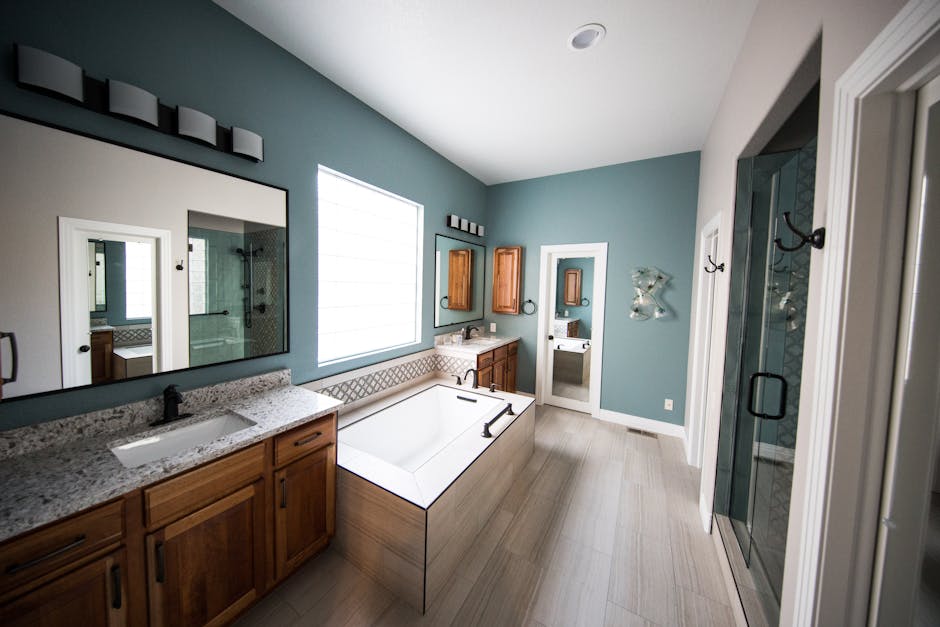
Mistake 1: Choosing Finishes Before the Layout Is Final
A vanity, mirror, and light fixture should work together. If you buy the mirror first, you can end up with a fixture that casts shadows or a vanity that sits too low for the mirror height.
Start with layout and rough dimensions, then select fixtures.
Mistake 2: Underbuilding Ventilation
If the room stays damp, everything ages faster, paint, caulk, grout, even cabinetry.
Plan the fan like it matters, because it does.
Mistake 3: Skipping Subfloor and Framing Repairs
A floor that feels slightly soft near the tub rarely fixes itself. Covering it with new tile or luxury flooring can hide the issue until it becomes structural.
A proper remodel treats what you find during demo and documents any scope changes clearly.
Mistake 4: Overcomplicating Tile Layouts in Small Rooms
Complex patterns can be beautiful, but they require planning and precision. In a small bathroom, a busy layout can also make the room feel smaller.
If you want detail, use it strategically. One feature wall or a niche accent can carry the design without taking over the space.
Mistake 5: Leaving Storage as an Afterthought
If you don't plan storage, the bathroom becomes cluttered again on week one.
Build storage into the design:
- Vanity drawers
- Recessed medicine cabinet
- Linen cabinet if space allows
- Towel hooks where towels naturally land
Get a Clear Plan for Your Columbus Bathroom Remodel
A good bathroom remodel is less about chasing trends and more about building a room that works every day, dries out fast, cleans up easily, and holds up for years.
If you're planning bathroom remodeling columbus, our team at Christopher Construction can walk the space, talk through options, and put a clear written estimate in your hands. We serve Columbus and Central Ohio, including Dublin, Powell, Upper Arlington, Grove City, Reynoldsburg, Worthington, Grandview Heights, Clintonville, Bexley, and Hilliard.
Call (614) 905-4521 to schedule a free walk-through, or reach out through our contact form and tell us what you want to change.
Temas
- bathroom remodeling columbus

