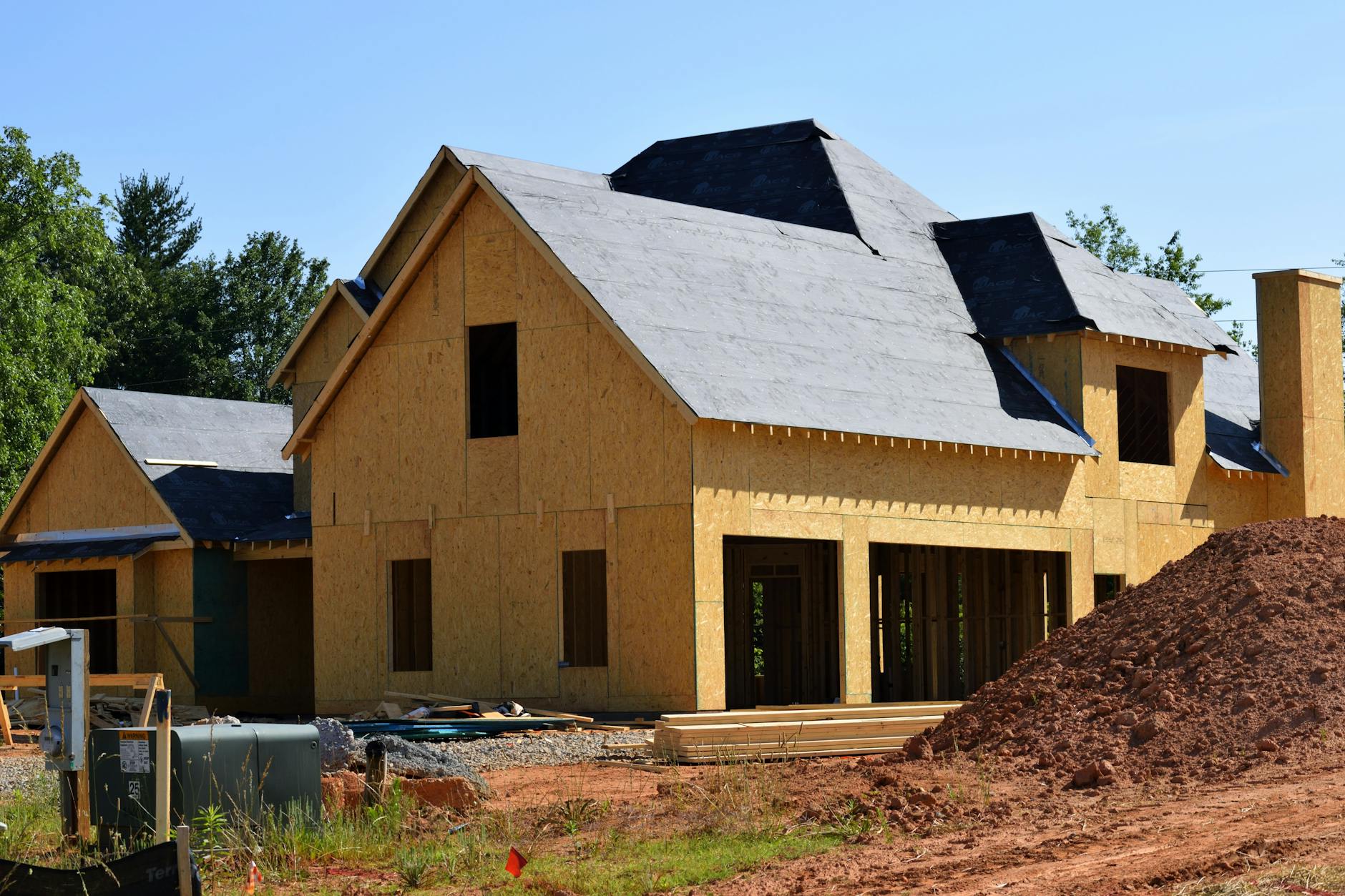
A home addition in Columbus usually starts the same way, a growing family, a new work-from-home routine, or a first-floor bedroom that suddenly matters.
Then the first walk-through happens, a wall gets opened, and someone says the words you didn't want to hear, moisture. Sometimes it's visible staining. Sometimes it's a musty odor around a rim joist or an old porch roof tie-in. That's where people start calling mold remediation companies, and it's also where choosing the right home addition contractor stops being a price-only decision.
Our team at Christopher Construction builds additions across Columbus and Central Ohio, bump-outs, in-law suites, second stories, mudrooms, sunrooms, and more. The contractor you choose should be able to price the work clearly, manage permits and inspections, coordinate trades, and handle the real-world conditions behind existing walls so your addition is safe, durable, and built to code.
Start with a Contractor Fit Check (Before You Compare Prices)
Most bad addition experiences aren't caused by one big mistake. They come from a mismatch between the project and the contractor's real capabilities.
Before you request bids, get clear on what "fit" looks like for your project. A Columbus addition is not just framing and drywall. It is tie-ins, drainage, thermal control, and scheduling around inspections and utility work.
Choose a Contractor Based on Project Type, Not Just Reputation
A contractor can be excellent and still be the wrong pick for your specific addition.
Here's a practical decision framework we use when homeowners ask what matters most.
- Choose a contractor who routinely builds additions if your project changes the home's footprint, rooflines, or structure. These jobs live or die by tie-ins, load paths, and water management.
- Choose a remodeling-focused team if the addition includes major interior rework, kitchen moves, bathroom additions, stair changes, or reconfiguring how the house flows.
- Choose a builder with strong mechanical coordination if you are adding a bathroom, kitchen, laundry, or anything that triggers significant plumbing, electrical, HVAC, venting, and inspection sequencing.
- Choose a contractor who is comfortable in older Columbus housing stock if you're in Clintonville, Upper Arlington, Bexley, or Grandview Heights, where you may run into plaster, older framing, legacy wiring, and uneven foundations.
If your contractor seems surprised by any of those realities during the first walk-through, that is a signal.
Licensing, Insurance, and Permits Should Be Non-Negotiable
In Ohio, home construction is regulated through state and local requirements, and projects involving electrical, plumbing, and HVAC typically require proper licensing and permitting.
At minimum, you want a contractor who is licensed and insured, and who is straightforward about how permits and inspections will be handled through the City of Columbus or the jurisdiction where you live.
If you want to sanity-check what permitting tends to involve locally, start with the city's official resources for residential work, including permitting and inspections: City of Columbus Building and Zoning Services.
A contractor who avoids permits is not "saving you money." They are shifting risk onto you.
Get Bids You Can Actually Compare (Scope, Allowances, and Change Orders)
Two bids that look similar on the front page can be completely different projects in the fine print.

A reliable addition bid in Columbus should read like a plan for how the work will happen, not a vague promise.
What a Solid Addition Estimate Should Include
Expect your written estimate to specify scope, selections, schedule assumptions, and what is excluded.
Look for these items spelled out clearly.
- Demolition and site protection, including dust control and how the existing home will be kept weather-tight
- Foundation and structural scope, including how the addition connects to the existing structure
- Framing, roofing, siding, windows, and flashing, with material assumptions
- Mechanical scope, including HVAC design approach and whether service upgrades might be needed
- Insulation and air sealing approach, especially at rim joists and tie-ins
- Interior finishes, including drywall level, trim profiles, flooring assumptions, paint scope
- Cleanup and punch list, including final walk-through process
If the estimate uses a lot of "allowances," that isn't automatically bad. It becomes bad when allowances are unrealistic.
The Allowance Trap (and How to Spot It)
Allowances are placeholders for items you haven't selected yet, like tile, fixtures, cabinets, or lighting.
The trap is when a bid is made to look competitive by under-allowing. You sign, selections happen later, and the price climbs in change orders.
Here's how we recommend evaluating allowances:
- Ask what the allowance covers and what it doesn't. Is it material only, or installed?
- Ask for examples of products that fit the allowance. If the contractor can't name a few realistic options, the number may not be grounded.
- Look for consistency across categories. If every allowance is unusually low, the bid is probably not comparable.
A well-managed project doesn't eliminate changes, it makes them predictable. You want a contractor who documents changes in writing, with pricing and time impacts clearly stated before the work proceeds.
Timeline Reality Check for Columbus Additions
Additions take time, and scheduling isn't just about labor availability. It's also:
- design finalization
- ordering windows, doors, trusses, or specialty finishes
- inspection sequencing
- weather impacts, especially during Central Ohio freeze-thaw cycles
During your walk-through, ask for a timeline that includes major milestones, not just an end date. If the answer is vague, you will feel it later.
Moisture, Mold, and Additions: Plan for It up Front
A home addition changes how your house handles water. New roof intersections, new valleys, new gutters, new downspouts, new grading, and new penetrations all raise the stakes.
This is where homeowners sometimes bring in mold remediation companies after the fact. The better approach is to treat moisture control as part of the addition plan, not a cleanup step.
What We Look for on the First Walk-Through
In Columbus, we pay close attention to a few repeat offenders:
- Old porch or deck tie-ins where flashing was never properly integrated
- Rim joists and band boards with air leakage, condensation, and staining
- Basement humidity that will affect the new space above
- Roof drainage patterns, including whether downspouts discharge too close to the foundation
- Grading issues, especially where additions or patios have altered drainage over time
A contractor doesn't need to be a mold specialist to recognize risk. They do need a process for handling it responsibly.
Where Mold Remediation Fits, and Where It Doesn't
A quality addition contractor should not "paint over" a moisture issue.
If there is active mold growth, ongoing moisture intrusion, or a contaminated area that requires specialized containment and cleaning, that is the point where mold remediation companies may need to be involved.
The key is coordination.
- Remediation addresses contamination and safe removal. It does not replace fixing the source of moisture.
- Construction work addresses the building causes, like flashing, air sealing, insulation strategy, drainage, and ventilation.
If your contractor suggests remediation but can't explain the building-side plan to prevent recurrence, you're not getting a complete solution.
For a baseline on established mold guidance and cleanup principles, use the EPA's resources as a reference point: EPA guidance on mold and moisture.
A Non-Obvious Addition Risk: Pressure and Venting Changes
Additions often change how air moves through the house.
A tighter new space connected to a leakier older space can create pressure differences. Bathroom fans that used to work "well enough" may stop keeping up. A new range hood can backdraft a naturally vented water heater if the house is tight and makeup air is not considered.
You don't need to become an engineer to manage this. You do need a contractor who takes ventilation seriously and coordinates HVAC and exhaust fans as part of the plan.
If combustion appliances are involved, treat backdrafting concerns with care and follow recognized safety guidance. For general consumer-facing information, this is a useful starting point: CDC carbon monoxide safety.
A Worked Example: Comparing Two Addition Bids (and Picking the Safer One)
We see this scenario often in Columbus neighborhoods like Worthington, Hilliard, and Dublin.

You request bids for a 14 x 18 family-room addition with a small powder room. The addition ties into the back of the house near an older roofline and an existing patio.
Bid a Looks Cheaper, Bid B Looks "Too Detailed"
Bid A is a one-page number with a short scope summary. It includes "standard windows," "standard HVAC tie-in," and a low allowance for bathroom finishes. It does not mention gutters, downspouts, flashing details, or permit handling.
Bid B is longer. It lists specific scope items: temporary weather protection, demolition plan, foundation type assumption, framing and roof tie-in, window package assumptions, new gutters and downspout routing, bathroom exhaust venting to exterior, and a written change-order process.
Both contractors seem confident. Both say they can start soon.
The Decision Framework We Recommend
Instead of picking based on confidence or the bottom-line number, use this three-part filter.
- Scope completeness
- Risk ownership
- Comparability
In practice, Bid B is often the safer choice even if it is higher up front, because it reduces "unknown unknowns." You are buying a plan.
If you still prefer Bid A, don't just accept it as-is. Ask them to revise their estimate to match Bid B's clarity so you can compare apples to apples. A contractor who refuses to clarify scope is telling you how the project will feel once it starts.
Contractor Selection Checklist for Columbus and Central Ohio
Once you have two or three serious contenders, selection comes down to a few proof points.
Questions That Reveal Real Project Management
These questions are designed to surface how the contractor thinks, and how they communicate.
- Who is my day-to-day point of contact once work begins?
- How often will I get schedule updates, and in what format?
- What is your plan to keep the home secure and weather-tight during demolition and tie-ins?
- How do you handle selections and lead times for windows, doors, and finishes?
- What does your change-order process look like in writing?
- How do you protect existing finishes and manage dust?
In our work across Columbus, we've found that the best projects are the ones where expectations are clear before the first day on site.
What to Watch for in References and Past Work
A contractor's portfolio should include projects similar to yours, not just attractive photos.
Ask to see:
- additions with similar rooflines or structural complexity
- projects in similar age homes (common in Bexley, Clintonville, Upper Arlington)
- finished tie-ins where flooring, trim, and transitions are clean
If possible, ask a reference about communication, cleanliness, and how the contractor handled surprises. Those are the moments that define the experience.
Local Practicalities: Hoas, Setbacks, and Neighbor Impacts
In areas like New Albany, Powell, and some parts of Dublin, HOA requirements can affect exterior design and timing.
Even when HOA is not involved, setbacks, easements, and utility locations matter. A good contractor will raise these topics early and help you plan around them.
If your project involves significant layout changes as part of the addition, it can help to review related planning considerations for kitchens and living spaces. See our guide on how kitchen remodel layouts get planned and priced in Columbus.
Planning the Addition Itself: Size, Layout, and "Future-Proof" Choices
Contractor selection and project planning go together. The clearer you are on the addition's purpose, the easier it is for your contractor to price it accurately and build it efficiently.

Define the Job to Be Done
"More space" is not a complete scope.
A better starting point is to define what the space needs to do every day.
- a quiet home office with a door and sound control
- a first-floor bedroom with an accessible bathroom
- a larger kitchen and dining area that supports traffic flow
- a family room that connects to the yard without water issues at the threshold
This level of clarity drives decisions like window placement, electrical layout, HVAC zoning, and where plumbing should run.
Don't Ignore the Outside of the Box, Literally
The exterior work is where additions succeed or fail over time.
We pay special attention to:
- roof intersections and flashing sequences
- siding integration and water-resistive barriers
- window and door opening prep, including sill pan details
- drainage and downspout discharge routing
If you have had basement moisture or musty odors in the past, bring it up during the estimate walk-through. It can change how we approach insulation, ventilation, and transitions to existing spaces.
For homeowners still deciding between a bump-out, a full rear addition, or a second story, our overview on home addition options in Columbus and Central Ohio can help you narrow the direction before you collect bids.
FAQ
Should I Call Mold Remediation Companies Before I Start a Home Addition?
If you have visible mold growth, a persistent musty odor, or you know there has been a long-term leak, it can make sense to consult mold remediation companies early so contamination is handled safely.
If the issue is suspected but not confirmed, start with a contractor walk-through focused on moisture sources. Many problems are building-envelope issues that need a construction fix first, or at least a coordinated plan.
How Do I Know If an Addition Bid Is Missing Important Work?
Look for missing tie-in items, roof flashing, gutters and downspouts, permit handling, and a written change-order process.
A bid that doesn't mention how the home will be kept weather-tight during demolition is also a red flag.
What's the Biggest Mistake Homeowners Make When Hiring an Addition Contractor in Columbus?
Choosing based on the lowest price without aligning on scope and allowances.
A clean, detailed estimate is usually a better predictor of a smooth build than a low number and a handshake.
Can My Contractor Handle Moisture Issues, or Do I Need Separate Specialists?
A contractor should handle the building-side corrections that prevent moisture, like proper flashing, drainage management, ventilation, and air sealing.
If contamination is present or likely, remediation may require specialists. The best outcome is coordination so remediation and construction solve the whole problem, not just the symptom.
Build an Addition That Feels Simple Because the Process Is Clear
A home addition is a big change to your house and your daily routine. The right contractor makes it predictable, clear scope, clear schedule, clear communication, and work that passes inspection and holds up.
If you're planning an addition in Columbus, Dublin, Powell, Upper Arlington, Bexley, Grandview Heights, Worthington, Hilliard, or nearby, we'll walk the project and give you a written estimate. Call Christopher Construction at (614) 905-4521 to schedule a free walk-through.
Topics
- mold remediation companies